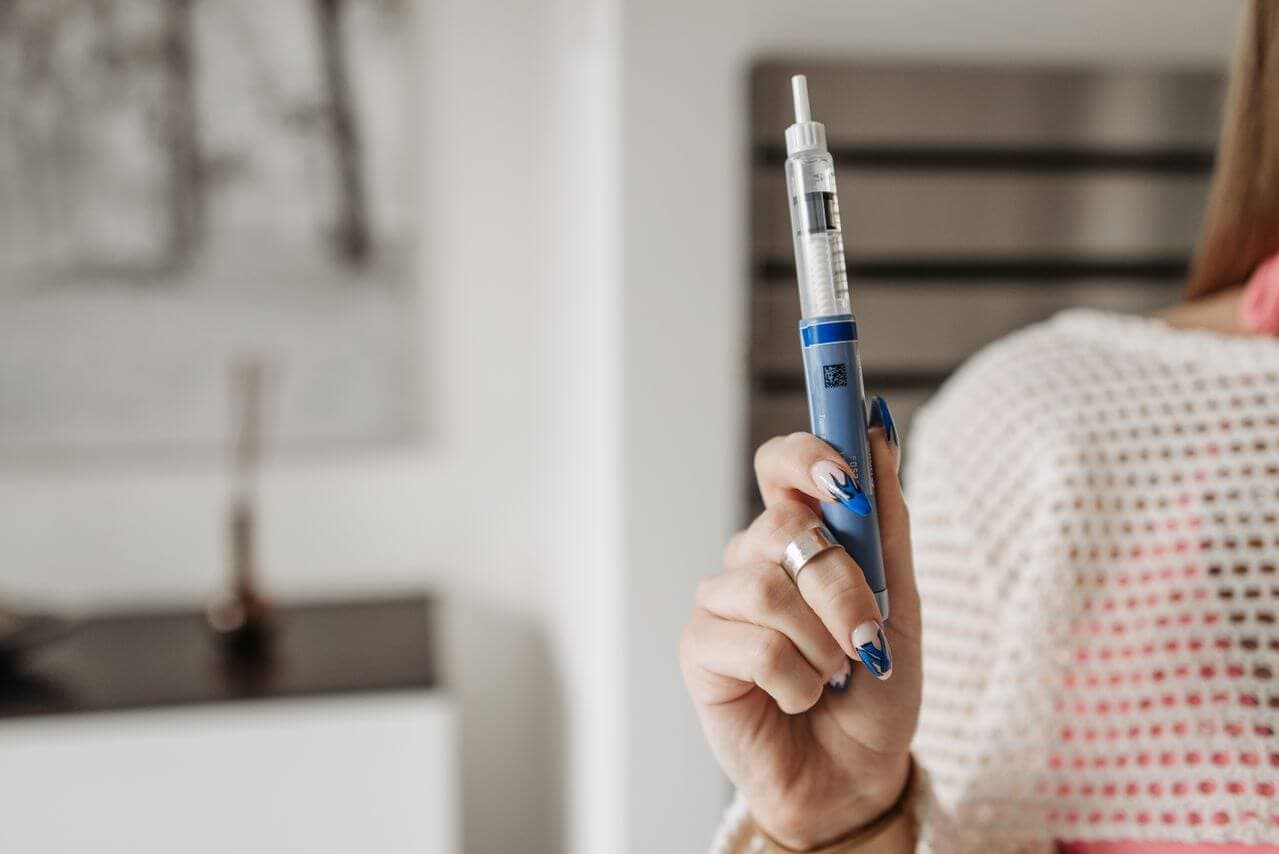
GLP-1 medications — better known by brand names such as Ozempic, Wegovy and Mounjaro — have become one of the most talked-about treatments in weight management, and one of the easiest to access online. But just because we can access these medications easily doesn’t mean they’re safe for every individual who wants them.
I’ve spent the last several years focused specifically on weight management, bariatric surgery nutrition and GLP-1 medications, with my experience as a dietitian spanning 15 years. I’ve worked within specialist NHS bariatric services at St George's Hospital, King's College Hospital and NHS Fife, and I opened my own private weight management practice in 2022.
Prescription medicines, not weight loss products
I‘ll start by saying that I think access to GLP-1 medications is a positive development. They can be very effective treatments for the right patients, and I’ve seen quality of life improvements for many of those people.
However, this is only the case when there is appropriate clinical assessment, monitoring and ongoing support. GLP-1 medicines should be viewed as what they are: prescription medicines, rather than simply weight loss drugs that can be purchased easily online.
The key issue is that those online routes of supplying do not adequately consider a range of personal factors, or any support someone may need alongside the medication. This significantly increases the person's risk of serious side-effects and nutritional deficiencies.
Considerable variation between private providers
My concern, which is shared widely by professionals in my field, is that private providers simply do not apply enough rigor before dispensing. There is a considerable difference between individual providers, and that lack of consistency means patients are unaware of what best practice looks like.
A robust assessment — completed before medications are dispensed — should go beyond simply confirming someone's weight or BMI. It should include relevant medical history, current medications, previous weight management interventions, contraindications, and risk factors, as well as consideration of eating behaviours and nutritional status.
This is something that many private providers are not completing thoroughly enough.
Appropriate follow-up is also important once treatment has started, as side effects and deficiencies can develop over time. Those providers who did not start with a robust assessment — and even those that did — may not have the expertise or capacity to provide in-depth follow up.
As it stands, the process of privately purchasing GLP-1 medications online is putting the long-term physical and mental health of individuals at risk.
Recognising red flags, not diagnosing
I have direct experience supporting patients through the side effects that can come with GLP-1 medications. Commonly there are gastrointestinal issues, but other unwanted effects are associated with these medications, including nausea, vomiting, diarrhoea, constipation and significantly reduced appetite.
Where symptoms suggest something more serious, my role is not to diagnose. For any patient that presents with symptoms which could indicate serious effects such as pancreatitis, the role of the dietitian is to recognise these potential red flags and ensure the patient receives appropriate medical assessment.
Once medically assessed and managed, I can then support the nutritional aspects of recovery, including maintaining hydration and nutritional intake and gradually progressing the diet as appropriate.
A compounding risk for bariatric surgery patients
Beyond the immediate and obvious side-effects, micronutrient deficiency is also something which needs to be considered, especially for people who have a significantly reduced appetite or who are eating a very limited range or quantity of foods while taking GLP-1 medications.
The risk is even higher for those who have had bariatric surgery and are also using GLP-1 medications, as they may already be vulnerable to nutritional deficiencies. Whether you've had bariatric surgery or not, the reduced food intake can mean that fewer vitamins and minerals are being consumed overall, which increases the likelihood of poor health outcomes in the long-term.
It is the long-term nature of these effects — with symptoms often taking years to appear — that means appropriate dietary assessment, monitoring and supplementation where indicated are vital parts of supporting patients safely alongside weight loss medication.
Looking ahead, the focus needs to shift from simply improving access to GLP-1 medications to ensuring the quality and safety of the care surrounding them. Robust assessment, appropriate monitoring and access to multidisciplinary support should become standard rather than optional.
For solicitors reviewing cases involving GLP-1 medications, the adequacy of assessment, advice and follow-up are important considerations. These medications can be an effective tool in weight management, but their safe use requires more than simply supplying the prescription.
About Veronica Giudice
Veronica holds a BSc in Nutrition, an MSc in Dietetics, a PG Dip in Sports Nutrition and a personal training qualification. Her early career was spent working with acutely unwell inpatients across stroke, ICU, high dependency, oncology, haematology and renal settings, before she moved into weight management and bariatric surgery seven years ago. She is a council member of the British Obesity and Metabolic Specialists Society (BOMSS), contributing to national policy and guidelines on weight management, bariatric surgery and GLP-1 medications.